2026 Open Source Research Experience
Matching summer students with research mentors and sponsors.
The Open Source Research Experience (OSRE) program provides support for undergraduate and graduate students contributing to open source projects and reproducible research efforts. With its dual focus on both increasing open source communities and making computational research efforts reproducible, the OSRE supports a wide variety of projects. In connection with the OSRE, the UCSC OSPO has taken part in the Google Summer of Code as a mentor organization. Information from past OSRE years can be found here: 2025, 2024, 2023 and 2022 (final 2022 reports). Mentors interested in participating in the OSRE (including for projects relevant to GSoC and the SoR) can post their project ideas for students to review. Project ideas are short abstracts that provide an overview of the tasks students will accomplish over the summer. See mentor page for more details. Interested Students or other newcomers to open source or reproducibility should review these project ideas and work with mentors to develop a full proposal. Student projects are due by April. See student information page for more details.
Table of Content: OSRE News | OSRE 2026 | For students | Student pages | For mentors | For sponsors | Timeline | Projects | Tag cloud | Mentors and Contributors

OSRE News


OSRE 2026
Open Source Research Experience
As last year OSRE 2026 will include mentors across multiple University of California campuses. Project ideas are listed below.
For students
If you are interested, have a look at our guidelines for students, which includes timelines on when to contact mentors and proposal guidelines and expectations.
Mentor project ideas will be published beginning in January and updated through February. Students should begin reaching out to mentors after February 28, 2025.
Students interested in applying to any of our projects must join our Slack channel before March 23, 2025 to be considered elgibile. THIS DEADLINE HAS PASSED.
The FINAL proposal deadline is April 8th at 18:00 UTC. Proposals should be submitted through the GSoC portal! Do not send proposal to the organization admins or mentors unless specifically requested by them. If your proposal is not submitted to the GSoC portal by this deadline you will not be eligible for selection.
We typically support the work of undergraduate students; however graduate students may also apply to work on more advanced project ideas. Please check out the project ideas page and contact the mentor if you have questions.
Student pages
Go to 2025 student pages
We are asking OSRE 2026 students and contributors to share their progress on a regular basis. We are excited to be able to highlight their work on this website and in events such as our Open Source Symposium. This blog post contains instructions on how to start highlighting contributor work with blog posts, also known as “student pages”. And here they are:
*For projects and mentors
The UCSC OSPO is looking for mentors to be part of our 2026 Open Source Research Experience Program (OSRE). Please read the FAQ for Mentors and, if interested in participating, the instructions for posting projects.
While typical OSRE supported projects require mentors who are connected to University of California-based open source projects, the Summer of Reproducibility allows us to also support mentors interested in research projects related to the creation and usage of reproducibilty artifacts.
The OSRE aims to increase student capabilities in working in open source projects and creating reproducible artifacts, as well as add productive open source contributors and promote open source and reproducibility throughout the UC system and beyond.
The program team at the UCSC OSPO values diversity and inclusion in all our projects. We invite mentors from groups traditionally excluded in computer science/open source communities to participate in this program.
Why should you be an OSRE mentor?
If you could use undergraduate* research assistance over the summer with your on-going research, this is a great opportunity to get matched to top students. Like Google Summer of Code, the OSRE allows the mentors to choose the students they want to work with based on an interactive and iterative proposal process. The proposal process provides mentors the opportunity to select someone they want to work with who will benefit their project and research.
Who can be a mentor?
For University of California (UC) projects: Any UC-affiliated faculty, researchers or graduate students working on projects that are or will ultimately be part of an open source community/ecosystem.
For Summer of Reproducibility (SoR) projects: Researchers and faculty looking to support the open source production or use of reproducibility artifacts.
For more details, please see the FAQ for Mentors and the instructions for posting projects.
For sponsors
Is your organization looking to use open source more effectively and want to support projects that directly benefit your business or industry?
Does your company want to strengthen the talent pipeline able to work on technologies essential to your organization’s success?
Do you want to collaborate with innovative open source projects being developed by University of California researchers?
The UC Open Source Research Experience (OSRE) offers your organization the chance to participate in projects that can help your development cycles run faster, benefit from wide collaborations, and help support workforce development in domains your organization needs.
To become a sponsor, fill out the Sponsorship Interest Form. You will be asked to indicate the level of sponsorship you would like to fund and the open source projects you are most interested in engaging with.
Benefits of sponsorship
- Collaborating on innovative project that are of strategic interest to your industry;
- Supporting the teaching of open source techniques to a wide range of student contributors;
- Interacting with the next generation of open source leaders and up and coming talent; and
- Recognition as an OSRE Sponsor at the Open Source Research Symposium (Fall 2026)
OSRE Sponsor Levels
| Level | Amount |
|---|---|
| Bronze | $3,750 (covers 50% of one student stipend for summer) |
| Silver | $7,500 (covers one student full-time for summer) |
| Gold | $15,000 (covers two students full-time for summer) |
Becoming a Sponsor
Becoming a sponsor is easy! Fill out the Sponsorship Interest Form or reach out to the OSRE Admins by April 20. Information requested by the form include: name of contact person, level of sponsorship, and projects you are most interested in (if applicable.) The OSRE Admins will follow up with next steps for finalizing the sponsorship process.
Timeline
Go to 2025 timeline
| Stay tuned! |
2026 Projects
Go to 2025 projects
Administration

Open Source Program Office
UC Santa Cruz
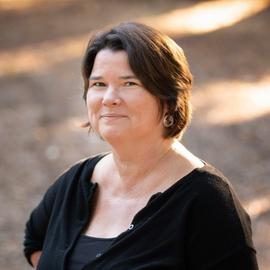
Stephanie Lieggi
Executive Director of OSPO, Executive Director of CROSS, UC Santa Cruz
University of California Mentors
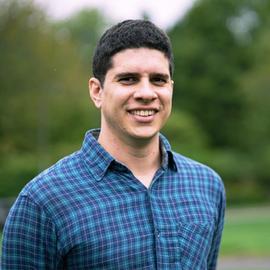
Abel Souza
Assistant Professor at UC Santa Cruz
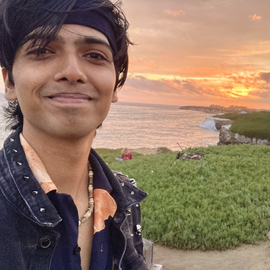
Akhilesh Thite
Masters’ student at the University of California, Santa Cruz | Founder, P2P Labs

Aldrin Montana
PhD Student, UC Santa Cruz
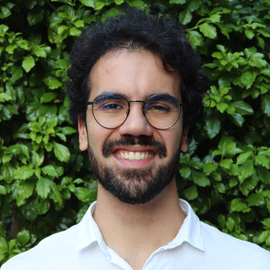
Arthur Koucher
R&D Engineer Precision Innovations

Augusto Berndt
R&D Engineer Precision Innovations
Austin Rovinski
Assistant Professor, New York University
Aviral Kaintura
Student at National Forensic Sciences University, Delhi Campus

Bin Dong
Research Scientist, Lawrence Berkeley National Laboratory

Carlos Isaac Espinosa Ramirez
PhD Candidate, UC Santa Cruz
Cindy Rubio González
Associate Professor, UC Davis

Colleen Josephson
Assistant Professor at UC Santa Cruz
Connor Lee
Student, NYU

Dan Bryce
Fellow, Smart Information Flow Technologies, LLC.
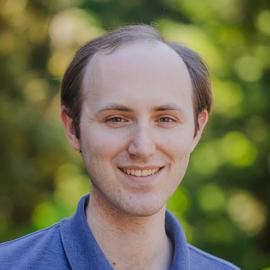
Daniel Fremont
Assistant Professor, Computer Science and Engineering, UC Santa Cruz
Daniel Wong
Associate Professor of Electrical and Computer Engineering
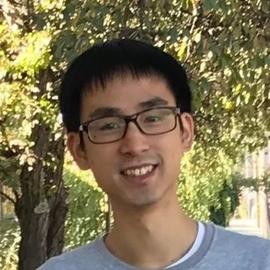
David Lee
Assistant Professor, UC Santa Cruz

Dmitry Mishin
Full Stack Developer and Admin, San Diego Supercomputer Center
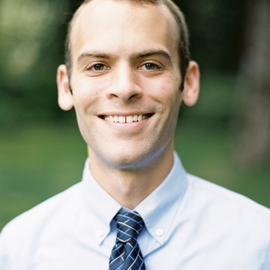
Dustin Richmond
Assistant Professor of Computer Science & Engineering at UC Santa Cruz
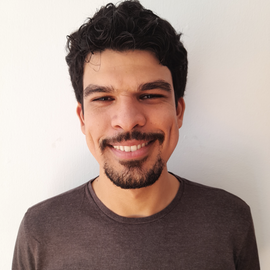
Eder Monteiro
R&D Engineer Precision Innovations
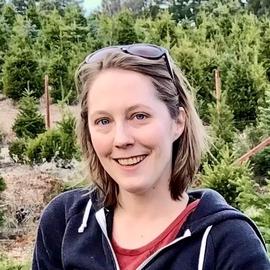
Emily Lovell
OSPO Incubator Fellow, UC Santa Cruz
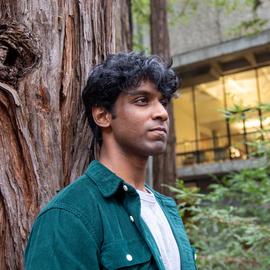
Eric Vetha
Graduate Student Researcher, University of California Santa Cruz

Eric Vin
PhD Student, Computer Science and Engineering, UC Santa Cruz
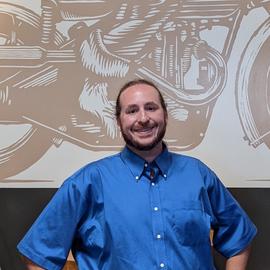
Eriq Augustine
Postdoctoral Researcher, LINQS Lab, UC Santa Cruz
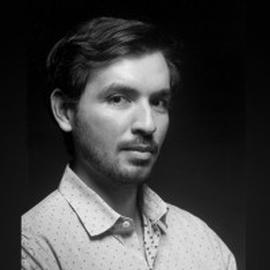
Ethan Mahintorabi
Software Engineer
Farzaneh Rabiei Kashanaki
Ph.D. Student, UC Santa Cruz
Hao-Nan Zhu
Ph.D. Student, University of California, Davis

Houjun Tang
Computer Research Scientist, Lawrence Berkeley National Laboratory
Indira Iyer
Head of Customer Success and Outreach
Jack Luar
Individual Contributor
James Davis
Professor - Computer Science and Engineering, Faculty Director of CROSS, UC Santa Cruz
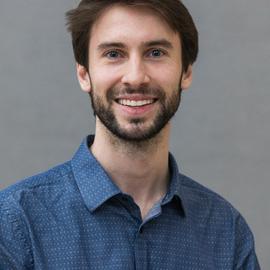
Jean Luca Bez
Research Scientist, Lawrence Berkeley National Laboratory
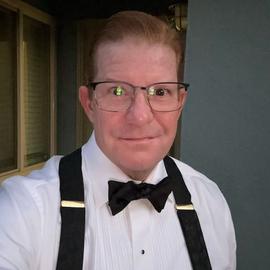
Jeffrey Weekley
Director of Research IT, Cyberinfrastructure Engineer, HPC Manager
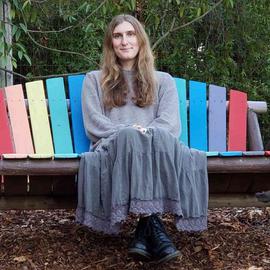
Jesse Cirimelli-Low
Ph.D. Student, UC Santa Cruz
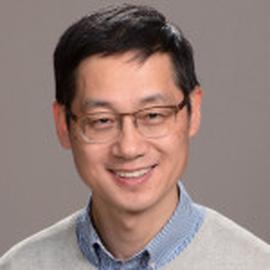
John Wu
Senior Computer Scientist, Lawrence Berkeley National Laboratory
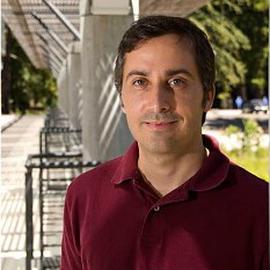
Jose Renau
Professor of Computer Science & Engineering, Department Chair
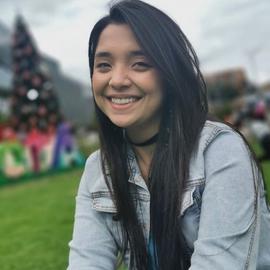
Juanita Gomez
PhD Candidate, UC Santa Cruz

Kiran Deol
Undergraduate at the University of Alberta
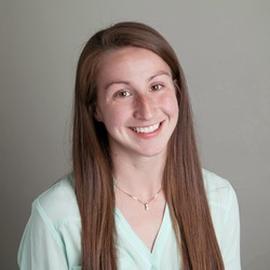
Leilani H. Gilpin
Assistant Professor, UC Santa Cruz

Linsey Pang
Principal Applied Scientist, Salesforce

Luanzheng "Lenny" Guo
Computer Scientist, Pacific Northwest National Laboratory
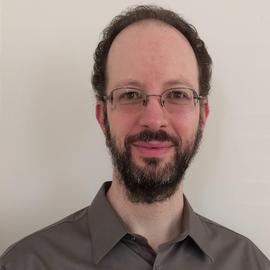
Matt Liberty
VP R&D Precision Innovations & Visiting Scholar UCSD

Mohammad Firas Sada
Researcher, UC San Diego, and Lead for the SEAM project

Nan Ding
Research Scientist, Lawrence Berkeley National Laboratory
Osama Hammad
Senior Software Engineer
Oskar Elek
OSPO Incubator Fellow, Postdoctoral Researcher, UC Santa Cruz
Palaniappan R
Student at Birla Institute of Technology and Sciences, Pilani
Peter Gadfort
Director of Silicon Engineering
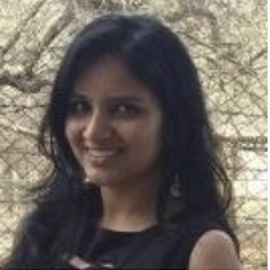
Sakshi Garg
Ph.D. Student, UC Santa Cruz
Stephanie Lieggi
Executive Director of OSPO, Executive Director of CROSS, UC Santa Cruz
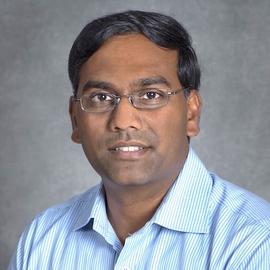
Suren Byna
Professor, The Ohio State University
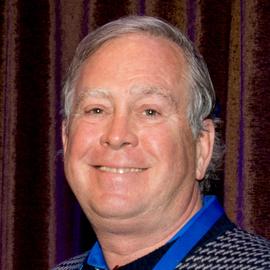
Thomas A. DeFanti
Recall Research Scientist, Distinguished Professor Emeritus

Tim Fallon
Postdoctoral Fellow, University of California, San Diego
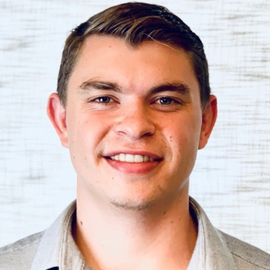
Tyler Sheaves
PhD Student at UC Davis
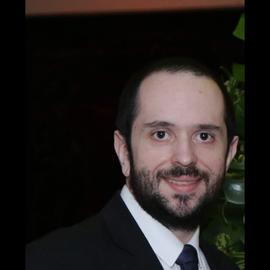
Vitor Bandeira
Cloud and DevOps Architect at Precision Innovations & Visiting Scholar UCSD & PhD Candidate UFRGS

Xi Li
Ph.D. Candidate, University of California, Irvine

Yuxi Hong
Postdoctoral Researcher, Lawrence Berkeley National Laboratory
